
More Than a Meal: How Chung Wah Connects Different Generations and Neighborhoods
Chung Wah Restaurant is more than a Chinese-American restaurant on Johnnycake Road. Its location and broad service area connect it with several West Baltimore communities, while its family-oriented menu and flexible meal options allow it to fit into different households and generations. This article explores how an independent restaurant can become a bridge between neighborhoods and generations without relying on nostalgia or simply repeating its history. From family dinners and familiar orders to customers traveling from surrounding communities, Chung Wah demonstrates how everyday food businesses can create connections across different parts of local life. Its value comes not only from what it serves, but from the many different ways people make the restaurant part of their routines, families, and memories.
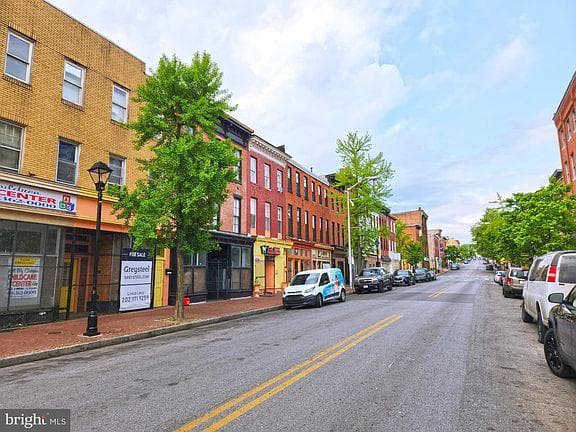
A neighborhood restaurant does not have to be large to serve a large community.
Sometimes its role is simply to provide a place where different parts of everyday life overlap: parents picking up dinner, coworkers ordering lunch, families sharing a meal, longtime customers returning to familiar food, and younger generations discovering a restaurant they remember from childhood.
That kind of connection is part of what makes Chung Wah Restaurant interesting.
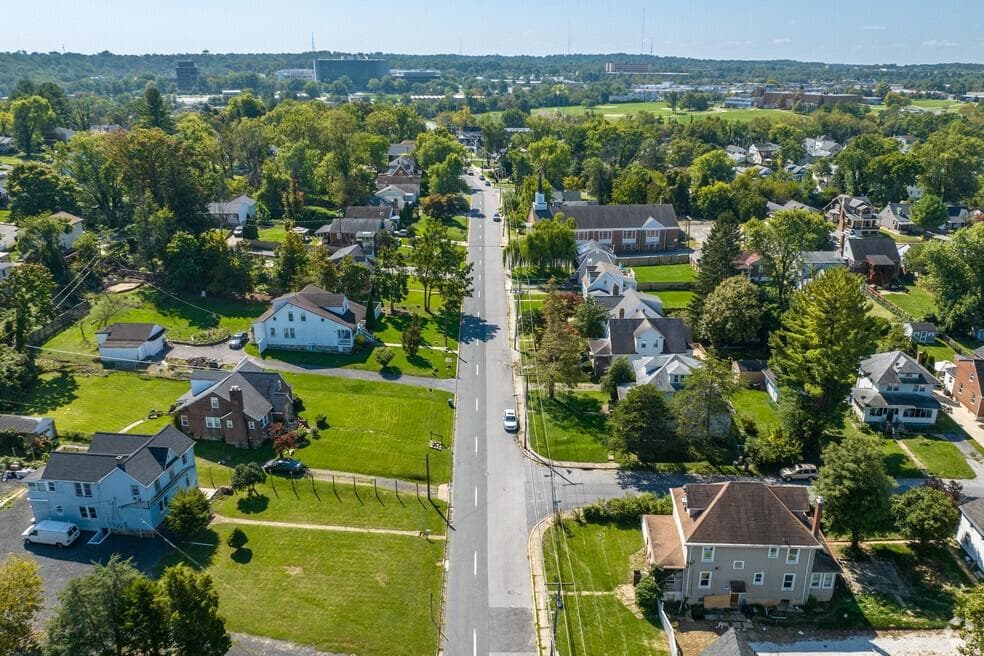
Located on Johnnycake Road in Baltimore, Chung Wah serves a broad area that extends beyond the immediate neighborhood, including Gwynn Oak, Woodlawn, Windsor Mill, Lochearn, Randallstown, and other communities around West Baltimore. Its location makes it less like a restaurant serving only one block and more like a small meeting point between several nearby communities.
One Restaurant, Many Reasons to Visit
People rarely visit a neighborhood restaurant for exactly the same reason.
A lunch customer may be looking for something quick between work responsibilities. A family may be picking up several dishes for dinner. Someone who has lived nearby for years may already know exactly what they want, while a younger customer may be trying the restaurant for the first time.
The menu at Chung Wah reflects that variety.
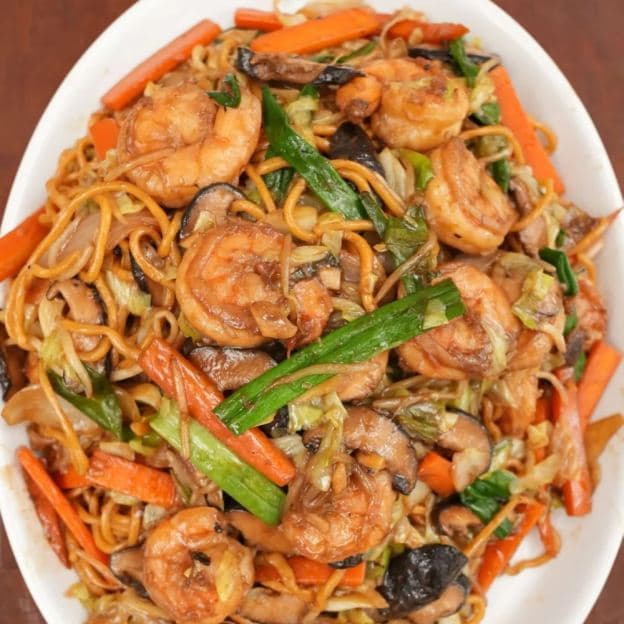
Alongside familiar Chinese-American dishes, the restaurant offers lunch specials, family dinner combinations, rice and noodle dishes, appetizers, and other options that can work for different kinds of meals. The restaurant describes itself as a family-run Chinese-American kitchen, with food prepared to order.
That flexibility is important for a community restaurant.
A place does not become useful because everyone orders the same thing. It becomes useful because different people can find a reason to come back.
The Family Meal Has a Different Meaning
There is a difference between eating alone and ordering food for a household.
A single lunch order is primarily about convenience. A family dinner creates a different kind of interaction. Several people can choose different dishes, share them, compare flavors, and turn a restaurant order into part of an evening at home.
Chung Wah's family dinner options fit naturally into that pattern.
The restaurant's Family Dinner for 2 combines multiple parts of a meal into a shared order, giving customers a format designed around eating together rather than simply buying one individual entrée.
That may sound like a small detail, but family-oriented ordering is one of the ways restaurants become connected to household routines.
The restaurant does not need to know what happens around every dining table. It simply becomes part of the occasion: Friday dinner, a busy weekday evening, a meal after a long day, or food ordered when several people in the household want different things.
Food Can Travel Between Neighborhoods
Chung Wah's location also tells an interesting story about how local restaurants function in suburban and urban-edge communities.
Customers do not necessarily live directly beside a restaurant to consider it part of their regular food landscape.
The restaurant currently identifies a wide service area that includes communities such as Gwynn Oak, Woodlawn, Catonsville, Ten Hills, Edmondson Village, Windsor Mill, Lochearn, Halethorpe, Pikesville, Milford Mill, and Randallstown.
That creates a different kind of local identity.
Instead of belonging exclusively to one neighborhood, a restaurant can become familiar across several nearby communities. People may encounter the same restaurant from different directions, through different routines, and for different reasons.
In this sense, “local” does not always mean “within walking distance.”
For many Baltimore communities, local life is connected by short drives, major roads, shopping areas, schools, workplaces, and family networks. A restaurant can become part of that larger geography without losing its neighborhood character.
Familiarity Is One of the Quiet Advantages of Independent Restaurants
Large restaurant brands are designed to be recognizable.
Independent restaurants have another advantage: familiarity can become personal.
Customers may recognize the people working behind the counter. They may know how they like their usual order prepared. They may introduce friends or family members to the restaurant. Over time, the restaurant becomes associated with personal memories rather than simply a brand identity.
That kind of familiarity is difficult to measure.
It does not necessarily appear in a menu or a storefront sign. Instead, it exists in the habits customers develop around a business.
A restaurant becomes part of someone's routine when ordering food requires little explanation. It becomes part of a family's history when younger customers grow up seeing the same place their parents already knew.
For an independent family-run restaurant, those small interactions can be just as important as any formal marketing campaign.
Different Generations Can Recognize the Same Place
Food is particularly good at creating connections between generations because people often remember meals through the people they shared them with.
Parents may introduce children to dishes they grew up ordering. Older family members may prefer familiar Chinese-American combinations, while younger customers may explore different sections of the menu. A restaurant can accommodate both without asking everyone to eat in exactly the same way.
This is one reason a broad menu can be valuable in a community setting.
Chung Wah's menu includes traditional Chinese-American takeout staples alongside items that reflect local Baltimore preferences. The result is not necessarily a single definition of what the restaurant “should” be. Instead, different customers can create their own relationship with the same kitchen.
That relationship can change over time.
A child who once shared an order with their parents can eventually become the person placing the family order. A longtime customer can bring someone new. A meal that begins as a simple takeout order can become part of another generation's memory.
A Restaurant Can Serve Several Communities Without Losing Its Identity
The communities around Johnnycake Road are not identical.
Gwynn Oak, Woodlawn, Windsor Mill, Lochearn, Randallstown, and the surrounding West Baltimore area each have their own residential patterns, businesses, roads, and daily routines.
Yet people from these places can still share the same restaurants.
That is an important part of local food culture.
Restaurants create connections that do not require formal community organizations or special events. People simply arrive because they are hungry, order what they want, and leave with food that becomes part of another place — a home, an office, a family gathering, or a weekend evening.
In that sense, a restaurant can connect neighborhoods without physically connecting them.
Chung Wah's current service area illustrates this particularly well. Its food travels beyond Johnnycake Road into surrounding communities, creating a wider circle of familiarity around one small restaurant.
The Value of Being a Reliable Choice
There is also something to be said for reliability.
Not every restaurant visit needs to be an event.
Sometimes people simply want to know where they can get lunch. Sometimes a family needs dinner without spending an hour deciding what everyone wants. Sometimes a customer wants the food they already know.
That is a different kind of value from novelty.
Restaurants that become part of local routines often succeed by being useful repeatedly. Their importance grows through ordinary visits rather than exceptional ones.
Chung Wah's combination of individual dishes, lunch specials, family meals, pickup, and delivery gives customers several ways to use the restaurant depending on the occasion.
The result is a business that can fit into different parts of the week and different kinds of households.
Looking at Chung Wah Through the Community Around It
It is easy to describe a restaurant by its food.
It is more interesting to look at the network around it.
Chung Wah sits within a group of Baltimore communities that are connected through work, family, transportation, shopping, and everyday errands. Customers can come from different neighborhoods and still recognize the restaurant as part of their local food landscape.
That gives an independent restaurant a role beyond simply preparing meals.
It can become a point of connection between generations.
It can become a familiar name shared between households.
It can introduce one neighborhood to another.
And it can provide a simple, dependable place where different parts of a community overlap.
That is what makes a local restaurant worth looking at beyond its menu.
Chung Wah Restaurant is one small business on Johnnycake Road. But the people who order from it come from a much wider area, bringing with them different routines, families, memories, and reasons for stopping by.
A restaurant does not have to serve an entire city to become part of its community.
Sometimes it only needs to keep giving people a reason to come back.
Visit Chung Wah Restaurant:Chung Wah Restaurant
Keep reading
Order from
Baltimore, MD · Chinese-American Kitchen