
A Familiar Place on Johnnycake Road: What 61 Years Means to a Neighborhood
What does it mean for a restaurant to remain in the same neighborhood for more than six decades? At Chung Wah Restaurant on Johnnycake Road, three generations of the same family have built a business around the everyday rhythms of the surrounding community. This article looks beyond the menu to explore how a long-running neighborhood restaurant becomes part of local life through workday lunches, family dinners, familiar routines, and the simple act of staying in one place while the community changes around it.
A restaurant can be part of a neighborhood without being famous outside of it.
It can become familiar through much smaller things: a family ordering dinner, an employee stopping in for lunch, a regular knowing exactly what they want, or three generations growing up with the same restaurant in the background of their lives.
That kind of local history is difficult to measure.
But in Baltimore County, Chung Wah Restaurant has something that makes the idea especially tangible.
The restaurant opened in 1965 and has remained a family-operated business for three generations on Johnnycake Road.
More than six decades later, the significance of a place like Chung Wah is not only how long it has been open.
It is how much ordinary life can accumulate around one address.
A Road With a Long Memory
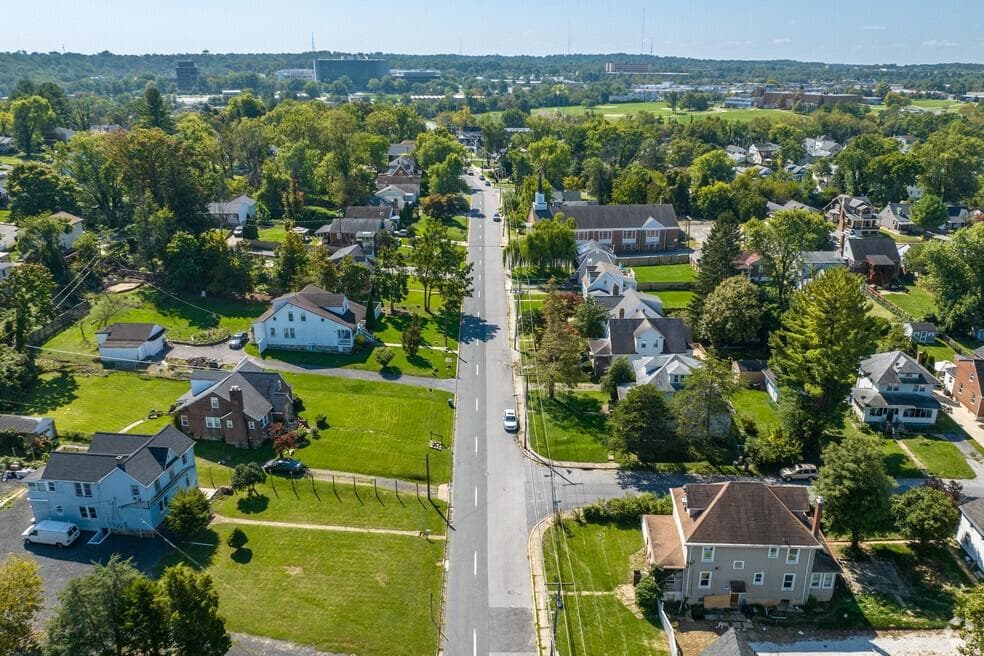
Chung Wah sits at 5820 Johnnycake Road in the Gwynn Oak / Woodlawn area of Baltimore County.
The name of the road itself reaches much further back than the restaurant.
Johnnycake Town was an 18th-century settlement along an old route between Baltimore and Frederick. The road eventually took the name Johnnycake Road, connected to the cornmeal travel food that gave the settlement its identity.
That history gives the street an unusual sense of continuity.
People have been traveling along this route for generations.
The businesses and residents have changed. The surrounding communities have changed. The ways people work, shop, and eat have changed.
But the basic idea of a road connecting people has remained.
Chung Wah is now one small part of that much longer story.
The Meaning of Staying
Restaurants open every year.
Restaurants also disappear every year.
That makes longevity different from simply being established.
A restaurant that remains in the same community for decades has to adapt to changes in the people around it while still remaining recognizable to the people who have known it for years.
That balance is especially visible at Chung Wah.
The restaurant describes itself as a family business that has grown up in the community. Its story is not built around a distant idea of Chinese food. It is built around the people who live nearby.
That distinction matters.
A neighborhood restaurant does not need every customer to be a longtime regular.
It needs to feel like it belongs there.
Three Generations, One Address
There is something powerful about a business being passed through a family.
A restaurant can be taught through recipes and techniques, but it can also be taught through habits.
How to prepare before opening.
How to recognize a busy lunch.
How to remember what customers usually order.
How to keep the kitchen moving when the dining room suddenly fills.
How to treat a familiar customer differently from someone visiting for the first time—not necessarily with special treatment, but with recognition.
These things rarely appear on a menu.
They are part of the knowledge accumulated by a business over time.
At Chung Wah, that knowledge has had three generations to develop.
The result is not simply a restaurant that has existed since 1965. It is a family business carrying forward a relationship with the surrounding community.
The Everyday Restaurant Is Part of the Community Infrastructure
When people talk about important places in a neighborhood, they often mention schools, parks, churches, libraries, shopping centers, and community organizations.
Restaurants rarely appear on that list.
But restaurants serve a similar social function in a quieter way.
They give people a reason to gather.
They create a familiar place outside the home.
They provide meals during the workday.
They give families an easy dinner option.
They become part of celebrations, busy evenings, and ordinary Tuesdays.
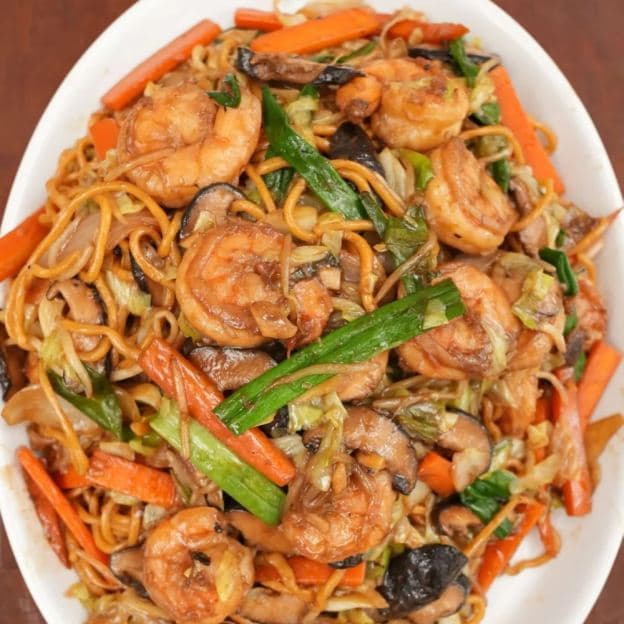
Chung Wah's menu reflects that everyday role. It includes a large lunch-special section, family dinners for two, combination platters, and a wide range of individual dishes. The lunch section alone contains 49 options.
That is not the structure of a restaurant designed only for special occasions.
It is the structure of a restaurant designed to fit into people's routines.
A Community Changes, Even When a Restaurant Stays
The neighborhoods around Chung Wah have not remained frozen since 1965.
Woodlawn developed into an important suburban employment center after the Social Security Administration moved its headquarters to Security Boulevard in 1960. The federal presence helped shape the area's postwar population and economy.
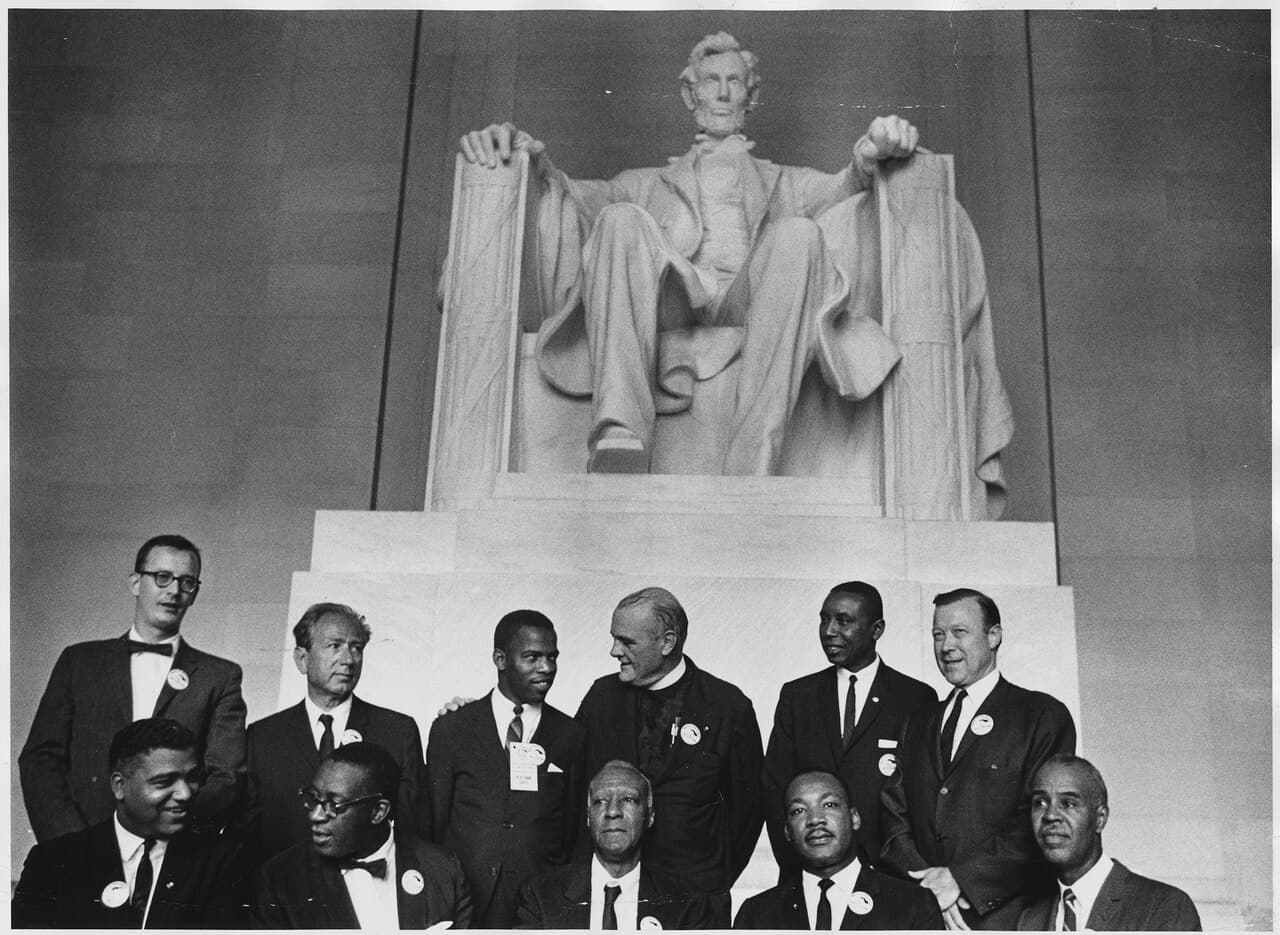
Gwynn Oak also carries its own complicated history. The former Gwynn Oak amusement park became an important site in the civil rights movement, including the 1963 campaign that ultimately ended segregation at the park.
Those histories belong to the community, not to the restaurant.
That distinction is important.
Chung Wah did not create the history of Gwynn Oak or Woodlawn.
It simply remained in a place where that history continued to unfold.
That is sometimes what makes a long-running local business interesting: it witnesses change without necessarily becoming the center of the story.
From Workday Lunch to Family Dinner
The role of a neighborhood restaurant can change throughout a single day.
At lunchtime, it may be about convenience.
After work, it may be about getting dinner home.
On a weekend, it may be about feeding several people at once.
The same kitchen can serve completely different purposes for different customers.
Chung Wah's menu reflects this range, with lunch specials, family combinations, individual entrées, appetizers, drinks, and larger meal options.
That flexibility is part of what allows a restaurant to remain useful over time.
People's schedules change.
Families grow.
Children become adults.
Workers change jobs.
New residents move into the neighborhood.
A restaurant that can remain part of those changing routines has a chance to become something more than a place that sells food.
It becomes familiar.
Sixty-One Years Is Made Up of Ordinary Days
It is tempting to describe a 61-year-old restaurant through major milestones.
Three generations.
Six decades.
But longevity is actually made from thousands of ordinary days.
Morning preparation.
Lunch rushes.
Dinner orders.
Family meals.
Regular customers.
New customers.
Busy Fridays.
Quiet afternoons.
The restaurant opening again the next day.
And then doing it again.
That is what makes a long-running neighborhood business meaningful.
Not that it stayed exactly the same.
But that it remained useful while the community around it changed.
Chung Wah's story is therefore not only a story about Chinese-American food or Baltimore dining.
It is a story about staying connected to a place.
On Johnnycake Road, a business that began in 1965 continues to occupy the same neighborhood landscape, serving people whose own connections to the area may last for a few months, a few years, or several generations.
That is a quieter kind of local history.
And perhaps one of the most valuable.
Chung Wah Restaurant5820 Johnnycake Rd, Baltimore, MD 21207https://chungwah.hiraccoon.com
Keep reading
Order from
Baltimore, MD · Chinese-American Kitchen