
A Baltimore Food Tradition Hidden in Plain Sight: The Story of Chinese-American Carryout
Baltimore’s Chinese-American food culture is more than a collection of familiar takeout dishes. It has developed through decades of interaction between local communities and Chinese-American restaurants. This article explores the food and history surrounding Johnnycake Road, Gwynn Oak, and Woodlawn, including local favorites such as Yat Gat Mein, fried chicken wings, cheese steak egg rolls, and Half & Half. It also introduces Chung Wah Restaurant, a family-owned restaurant that has served the Baltimore community since 1965. Its long history shows how an everyday neighborhood restaurant can become part of a community’s food traditions, memories, and local identity.
There are certain foods that tell you where you are without needing a sign.
In Baltimore, you can sometimes recognize the neighborhood simply by looking at a Chinese carryout menu.
You might see fried chicken wings sitting beside lo mein. You might find Yat Gat Mein, a dish that outsiders may not immediately recognize. You might see a cheese steak egg roll next to General Tso's chicken.
To someone unfamiliar with Baltimore, the combination may look unusual.
To a local, it can feel completely normal.
This is part of what makes Baltimore's Chinese-American food culture so interesting.
And one restaurant that has been part of that story for decades is Chung Wah Restaurant on Johnnycake Road.
A Restaurant That Grew Up With Its Community
Chung Wah opened in 1965.
That means the restaurant has been serving the local community for more than six decades and has remained a family business across three generations.
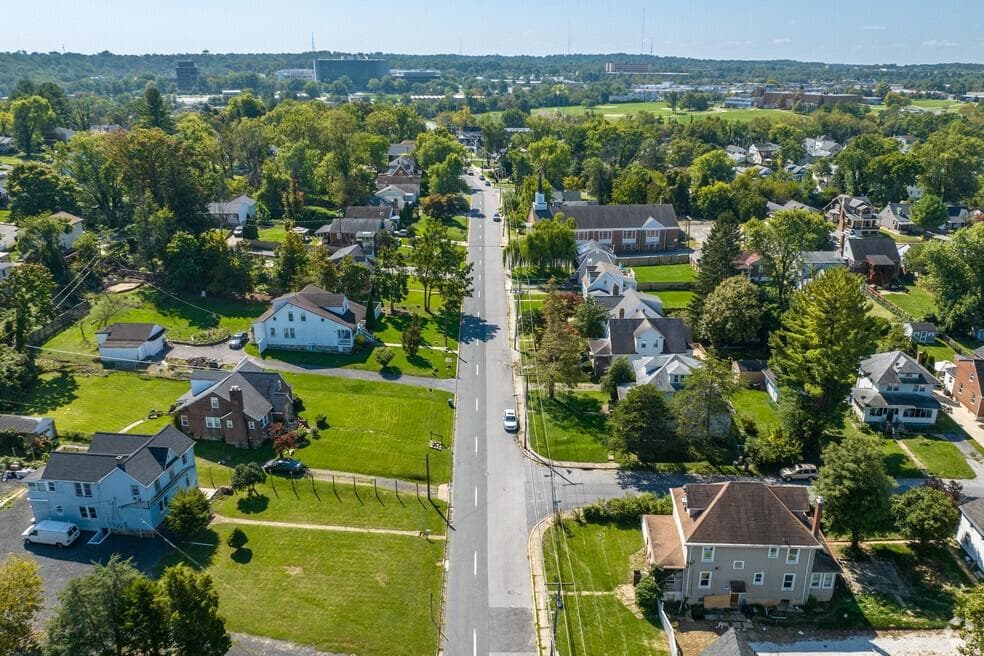
The restaurant is located at 5820 Johnnycake Road, in the Gwynn Oak / Woodlawn area of Baltimore County.
That location is important.
Chung Wah isn't simply a Chinese restaurant that happens to be located near Baltimore.
Its identity is deeply connected to the neighborhood around it.
The restaurant's own philosophy can be summed up in a simple idea:
We grew up here.
That is a very different story from opening a restaurant somewhere and trying to create a local identity afterward.
Johnnycake Road Has a Story of Its Own
Even the name Johnnycake Road reaches back into local history.
In the 18th century, Johnnycake Town was a settlement along an old road connecting Baltimore with Frederick.
The name was associated with the simple cornmeal bread known as johnnycake, which was practical food for travelers.
Over two centuries later, the road still serves people looking for something to eat.
The connection is almost poetic.
A road once associated with food for travelers eventually became home to neighborhood restaurants serving people who live and work in the surrounding communities.
History does not always survive as a monument.
Sometimes it survives in a street name.
Gwynn Oak and the History of Community Change
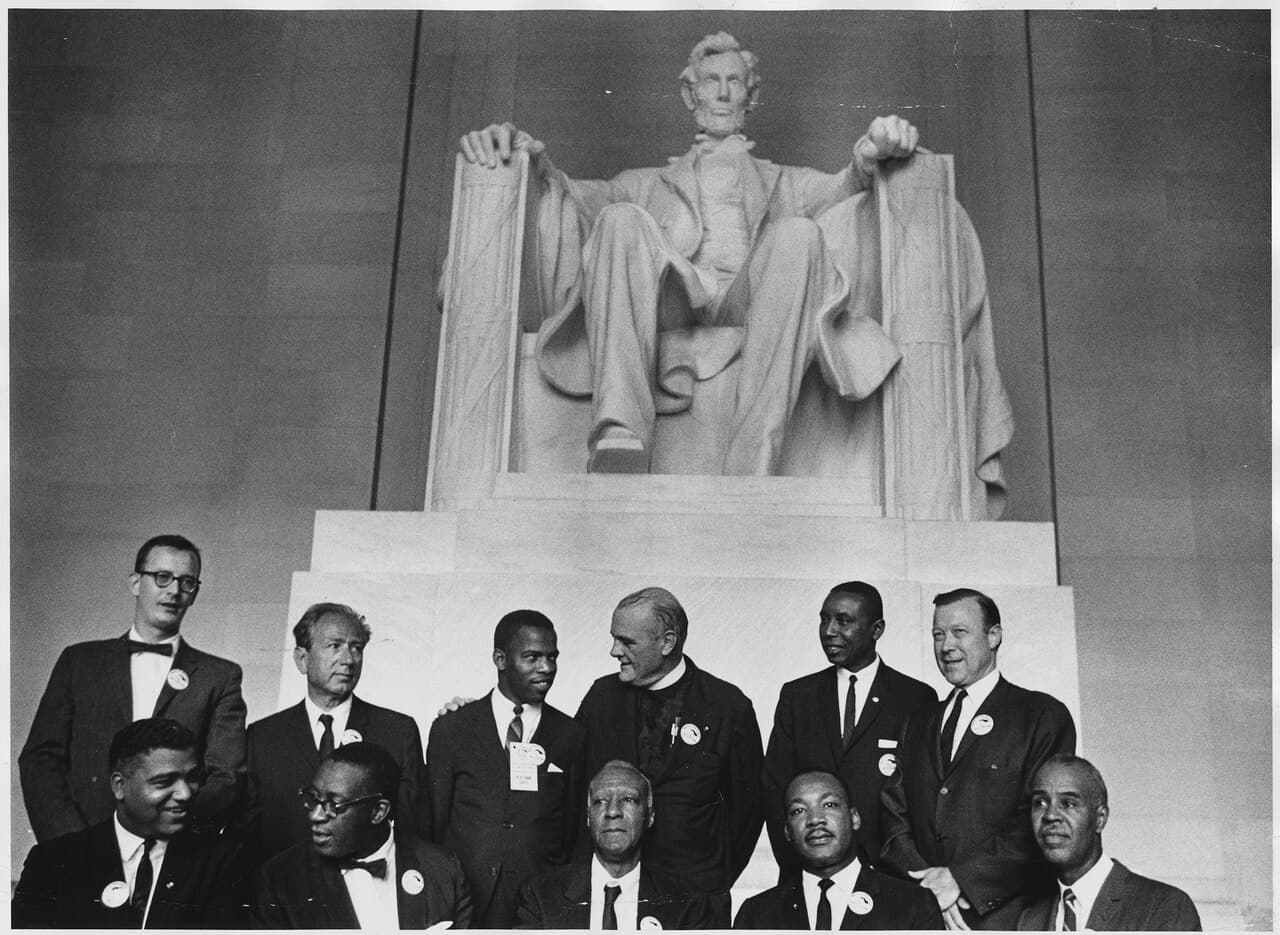
The area around Chung Wah also sits close to one of the most important stories in Baltimore-area civil rights history.
Gwynn Oak Amusement Park operated from 1893 to 1973 and was once a major regional amusement destination.
But for decades, the park was segregated.
That changed in 1963.
On July 4, hundreds of demonstrators gathered at the park to protest segregation, and nearly 300 people were arrested.
On August 28, 1963, Gwynn Oak officially ended segregation.
That same day, Martin Luther King Jr. delivered his famous “I Have a Dream” speech in Washington, D.C.
The amusement park eventually closed, but its history remains part of the identity of the surrounding community.
Today, the former amusement park site is Gwynn Oak Park.
For a neighborhood restaurant, this kind of local history should not be turned into a marketing slogan.
It is something more valuable than that.
It is context.
It helps explain why a restaurant that has served the area for generations can mean more than simply a place to order dinner.
What Makes Baltimore Chinese-American Food Different?
One of the most interesting things about Chung Wah is its menu.
At first glance, it looks like a large Chinese-American carryout menu.
But look closer and the Baltimore influence becomes obvious.
There is an entire Yat Gat Mein section.
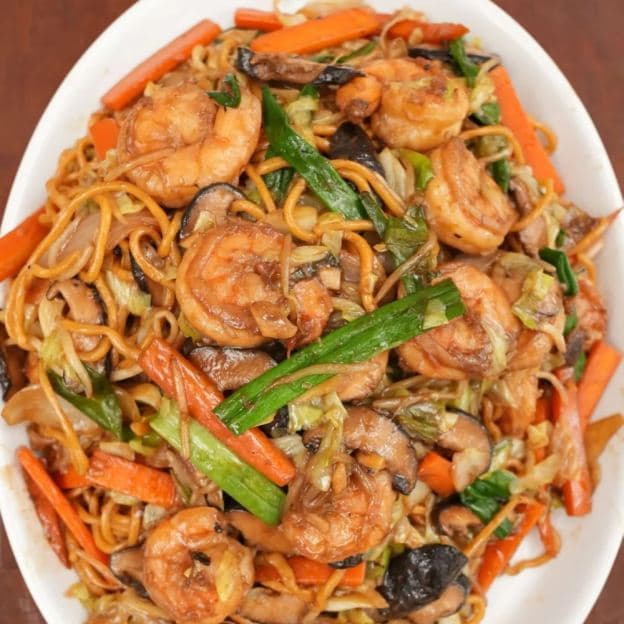
Yat Gat Mein, sometimes called “yock,” is particularly associated with Baltimore-area Chinese carryout culture. The dish typically combines noodles, a savory broth, beef, egg, and green onions.
Different regions have their own versions and names for similar dishes.
But in Baltimore, Yat Gat Mein has become part of the local food vocabulary.
Chung Wah offers six variations.
That is significant because it tells a visitor something that a generic “Chinese restaurant” description cannot.
This is food shaped by the place where the restaurant operates.
The Chicken Wings Are Part of the Story Too
Another distinctive part of Baltimore Chinese-American carryout culture is fried chicken.
Chung Wah has a dedicated Fried Chicken Wings section, with wings prepared using the restaurant's own marinade and fried to order.
Again, this combination may surprise someone who has never eaten at a Baltimore Chinese carryout.
But food cultures develop through communities.
Restaurants adapt to the tastes of the people who live around them.
Over time, those adaptations stop feeling unusual and simply become local tradition.
That is exactly what happened with Chinese-American carryout in Baltimore.
The Cheese Steak Egg Roll
Then there is the Cheese Steak Egg Roll.
It is difficult to find a better example of local food crossover.
A traditional Chinese-American egg roll meets the flavor profile of a cheese steak.
The result is neither simply Chinese food nor simply American food.
It is something that belongs to the neighborhood.
Chung Wah also serves Half & Half, the Baltimore-style combination of iced tea and lemonade.
For visitors unfamiliar with the area, these dishes can be a small introduction to Baltimore's food culture.
For longtime residents, they can simply taste like home.
Food That Fits the Neighborhood
Chung Wah's menu is large, with more than 250 items.
But the size of the menu is not necessarily the most interesting thing about it.
The more revealing detail is how many options are designed around everyday neighborhood eating.
There are extensive lunch specials.
There are family dinner combinations.
There are combination platters.
There are American & Chinese specialties.
And there are dishes that have become closely associated with Baltimore's Chinese-American carryout tradition.
This is food designed for regular life.
Lunch between work.
Dinner for a family.
A Friday night order.
A familiar meal picked up on the way home.
That is how restaurants become part of a community.
Not through one viral dish, but through thousands of ordinary meals.
Six Decades on Johnnycake Road
A restaurant that survives for more than 60 years has accumulated something that cannot be manufactured through advertising: memory.
Three generations of one family have operated Chung Wah.
People who ate there decades ago can now return with their children or grandchildren.
The menu may evolve.
The neighborhood may change.
Shopping centers may rise and decline.
But a neighborhood restaurant can remain one of the constants.
That may be the most interesting thing about Chung Wah.
It is not trying to represent some abstract idea of “authentic Chinese food.”
It represents something more specific:
Chinese-American food as it developed in Baltimore, served by a family that has been part of the local community since 1965.
For anyone exploring the food culture of Gwynn Oak, Woodlawn, and the surrounding Baltimore County communities, that is a story worth tasting.
Visit Chung Wah Restaurant
For the current menu, ordering information, location, and restaurant details:
Chung Wah Restaurant — Baltimore, Marylandhttps://chungwah.hiraccoon.com
Keep reading
Order from
Baltimore, MD · Chinese-American Kitchen