
More Than Ramen: How Hokkaido Fits Into Evansville’s Changing Dining Culture
Hokkaido Ramen House is more than a ramen restaurant in Evansville. Its broad menu of ramen, sushi, fried noodles, rice dishes, hibachi-style options, and bubble tea allows people with different tastes to share the same dining space. Located in Evansville’s east-side commercial area, the restaurant reflects the city’s broader regional dining culture, where restaurants become part of everyday routines through variety, convenience, and familiarity. Rather than defining Hokkaido by a single specialty, its community role can be understood through the flexibility it offers to different diners and groups.
When people hear the name Hokkaido Ramen House in Evansville, the first thing they may expect is a bowl of ramen. That expectation makes sense. Ramen is in the name, and the restaurant’s menu includes several styles of Japanese noodle soup.
But spend a little more time looking at what Hokkaido actually offers, and a different picture emerges.
The restaurant is not built around a single dish or even a single type of Japanese dining. Its menu brings together ramen, sushi rolls, hibachi-style dishes, fried ramen, rice bowls, curry, udon, bamboo steamers, desserts, and bubble tea. In a city where restaurants often become part of everyday routines rather than special-occasion destinations, that kind of variety can be more important than it first appears.
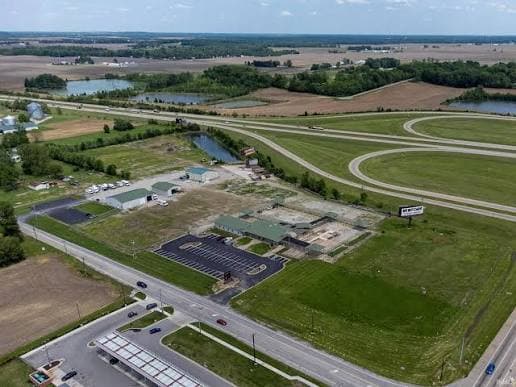
Hokkaido is located at 601 N Burkhardt Road, in Evansville’s east-side commercial area near Eastland Mall.
A Restaurant That Leaves Room for Different Appetites
One of the most interesting things about Hokkaido is the size and structure of its menu.
The restaurant has 21 menu categories and 162 individual items. Sushi-related categories account for a significant portion of the menu, while ramen represents one important section alongside fried ramen, udon, fried rice, curry rice, boba tea, and other choices.
That matters because people rarely arrive at a restaurant with exactly the same appetite.
One person may want a bowl of tonkotsu ramen. Someone else may prefer a sushi roll. A child may want something familiar. Another guest may want fried noodles, curry, or a sweet drink afterward.
A restaurant with this kind of range does not require everyone at the table to make the same decision.
That may sound like a small detail, but it is one of the reasons neighborhood restaurants can become useful. They do not necessarily have to define what a customer should order. They can simply provide enough choices for different people to find something that works.
Variety Can Be a Form of Hospitality
Hokkaido's menu also reflects something important about how American dining works: restaurants often become places where different food preferences meet.
Japanese food in the United States has never existed as a completely fixed category. Sushi, ramen, hibachi, rice bowls, noodles, and other dishes have become familiar to diners who may have very different levels of experience with Japanese cuisine.
Hokkaido's menu reflects that broader dining environment.
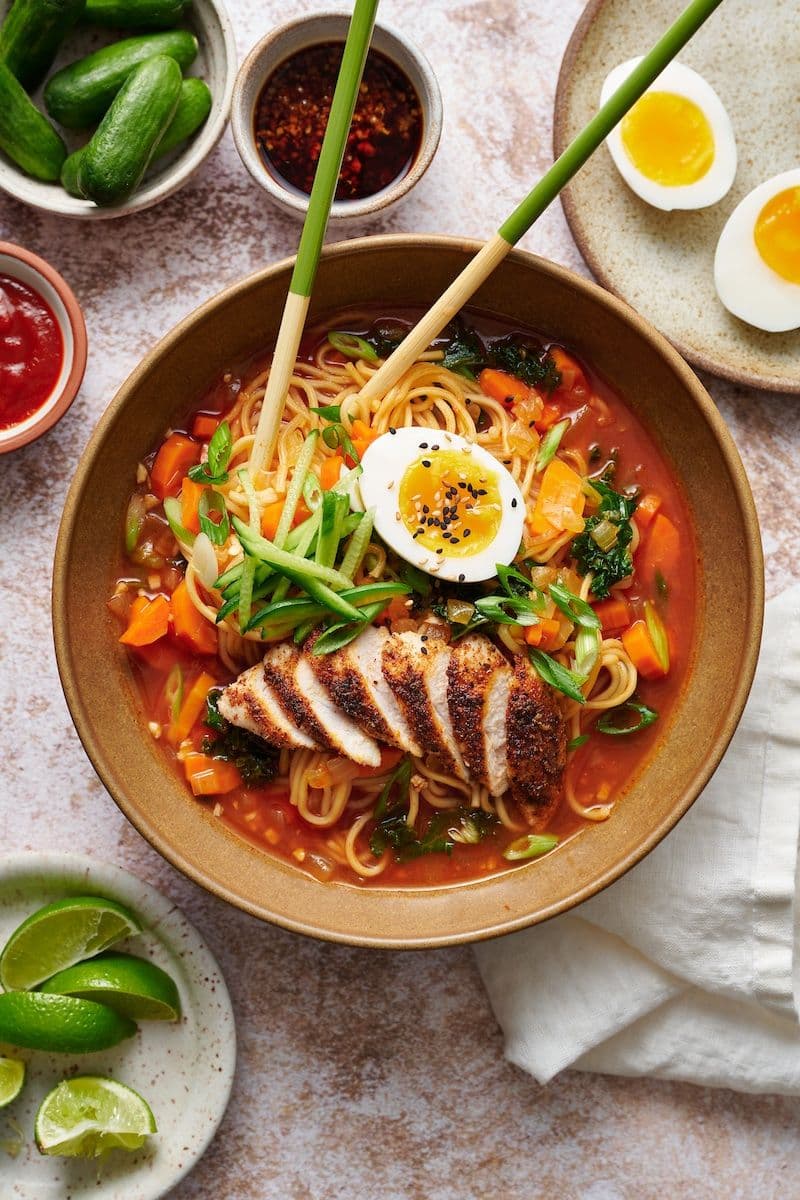
Its ramen selection includes familiar styles such as miso, shoyu, tonkotsu shoyu, and chicken-based ramen, while also offering dishes such as tantanmen, spicy beef ramen, and spicy chicken katsu ramen. The restaurant also has a separate fried ramen section, including a Hokkaido Fried Ramen Combo with chicken, beef, and shrimp.
This creates an interesting middle ground.
A customer who already loves ramen can explore different bowls. Someone who is not particularly interested in soup can order sushi or fried noodles instead. Someone who simply wants a familiar Asian-inspired meal can find several accessible choices without needing to understand a specialized menu.
That flexibility is not necessarily a compromise. In a neighborhood setting, it can be a strength.
The Importance of the Table, Not Just the Dish
Restaurants are often described through individual specialties: the best ramen, the most popular sushi roll, the signature appetizer.
But a neighborhood restaurant can also be understood through the table itself.
Who is sitting together? Are they ordering the same thing? Are they sharing appetizers? Is one person drinking bubble tea while another has ramen? Is a family choosing several different dishes because everyone wants something different?
Hokkaido's menu makes these combinations possible.
The restaurant offers traditional rolls, specialty sushi, sashimi combinations, ramen, rice bowls, fried ramen, udon, curry, boba, desserts, and combination meals.
That makes the dining experience less about following one prescribed path and more about building a meal around the people at the table.
In that sense, variety becomes part of the restaurant's community role.
Evansville Is a City That Brings Different Places Together
Evansville has always had a broader regional identity than its city limits suggest.
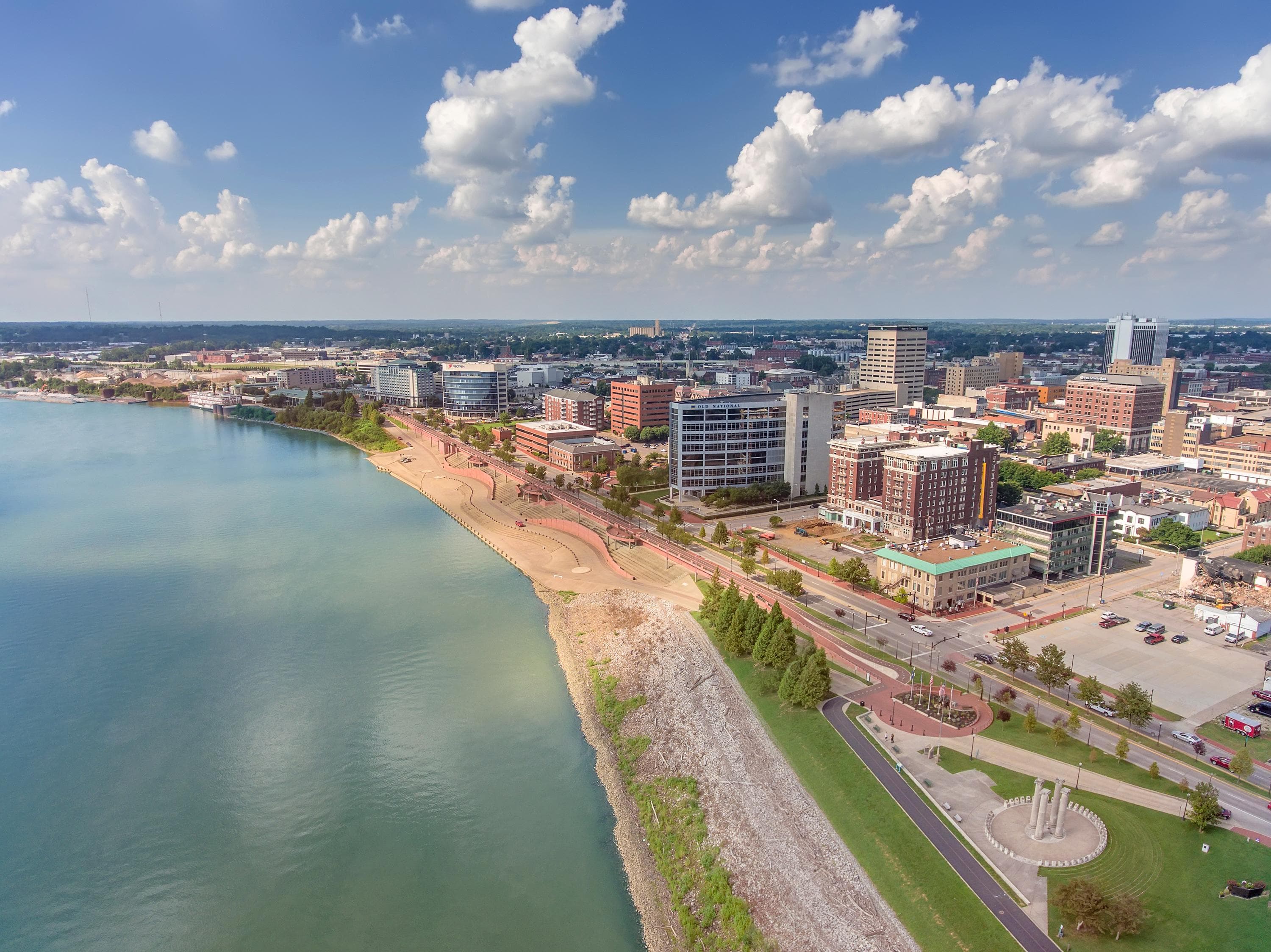
Founded along the Ohio River, the city developed through river commerce and later became an important center for manufacturing, healthcare, logistics, and regional employment. Today, the Evansville metropolitan area includes communities across southwestern Indiana and neighboring parts of Kentucky and Illinois.
That regional role helps explain why local restaurants can serve more than one kind of customer.
People do not necessarily experience Evansville as a collection of isolated neighborhoods. Work, shopping, school, healthcare, entertainment, and dining overlap.
Hokkaido sits within that everyday network.
Its location on Burkhardt Road places it close to one of the city's major concentrations of shopping and restaurants. But its relevance does not depend on attracting only one type of diner. Its broad menu allows it to fit different occasions and different groups.
A restaurant does not always need to become a landmark to matter to a community.
Sometimes it becomes useful simply by being a dependable option.
Why Bubble Tea Belongs in the Story
One of the easiest things to overlook at Hokkaido is bubble tea.
The restaurant offers eight varieties of boba tea, and public reviews frequently mention the drinks. Yet bubble tea appears relatively deep in the current menu structure rather than near the restaurant's most prominent categories.
From a cultural perspective, however, its presence is significant.
Bubble tea occupies a different place in the dining experience from ramen or sushi. It can be ordered as an accompaniment, a dessert-like treat, or simply a drink on its own.
That gives Hokkaido another way to fit into everyday life.
A restaurant can be a place for dinner, but it can also be a place to stop for a drink, meet someone after shopping, or add something fun to a meal.
The more ways a restaurant can be used, the easier it becomes to become part of a routine.
A Small Detail That Gives the Restaurant Personality
There is another detail that says something about Hokkaido's atmosphere: the restaurant has been described by reviewers as having a “ramen cat” theme in its decor.
It is a small thing, but neighborhood restaurants are often remembered through small things.
A particular decoration. A favorite drink. A dish that someone always orders. A familiar table. A restaurant that becomes associated with a casual dinner after shopping.
These details rarely appear in a formal description of a restaurant's cuisine, but they are part of how places become familiar.
Community connection does not always come from decades of history. Sometimes it comes from repetition.
People return. They bring friends. They introduce someone to a new dish. They order the same thing again. Eventually, the restaurant becomes part of their mental map of the city.
Finding a Place in Evansville's Dining Landscape
Hokkaido's role in Evansville is therefore not simply about bringing ramen to the city.
It is about providing a flexible place where different tastes can coexist.
The restaurant offers enough variety for someone who wants traditional sushi, someone looking for ramen, someone who prefers fried noodles, and someone who is mostly interested in bubble tea. Its menu does not force these customers into the same dining experience.
Instead, it gives them a shared place to create their own version of a meal.
That may be one of the most useful roles a restaurant can play in a community.
Cities are not defined only by their landmarks or their oldest businesses. They are also defined by the ordinary places people return to — the places where a quick meal becomes a habit, where different generations can find something they like, and where unfamiliar food gradually becomes part of the local landscape.
In Evansville, Hokkaido Ramen House is one of those places worth looking at beyond its name.
It may begin with ramen.
But the larger story is about variety, familiarity, and making room at the same table.
Visit Hokkaido Ramen House: hokkaido-evansville.hiraccoon.com
Keep reading
Order from
Evansville, IN · Japanese · Ramen · Sushi