
What Does a Weeknight Meal Look Like in Evansville?
This article explores Hokkaido Ramen House through the everyday rhythm of Evansville rather than focusing on restaurant history or menu variety. Evansville is a working city shaped by healthcare, manufacturing, logistics, and its role as a regional center, creating a strong demand for restaurants that fit naturally into ordinary routines. Located on North Burkhardt Road, Hokkaido can become part of those routines through casual dinners, family meals, after-work gatherings, and familiar neighborhood habits. The article argues that local restaurants become meaningful not only through major events or historical significance, but through repeated everyday experiences. Hokkaido's place in Evansville is therefore best understood as part of the city's present-day community life—one ordinary meal at a time.
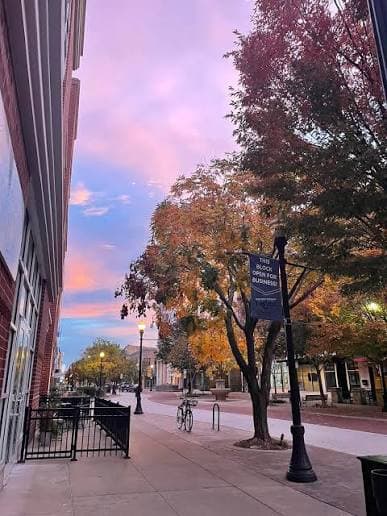
In Evansville, dinner does not always begin with a special occasion.
Sometimes it begins when the workday ends.
A nurse finishes a shift. A warehouse employee clocks out. A family finishes a day of errands. Someone picks up the kids, someone else is still answering messages from work, and eventually the question comes up: Where should we eat tonight?
That ordinary question says a lot about a community.
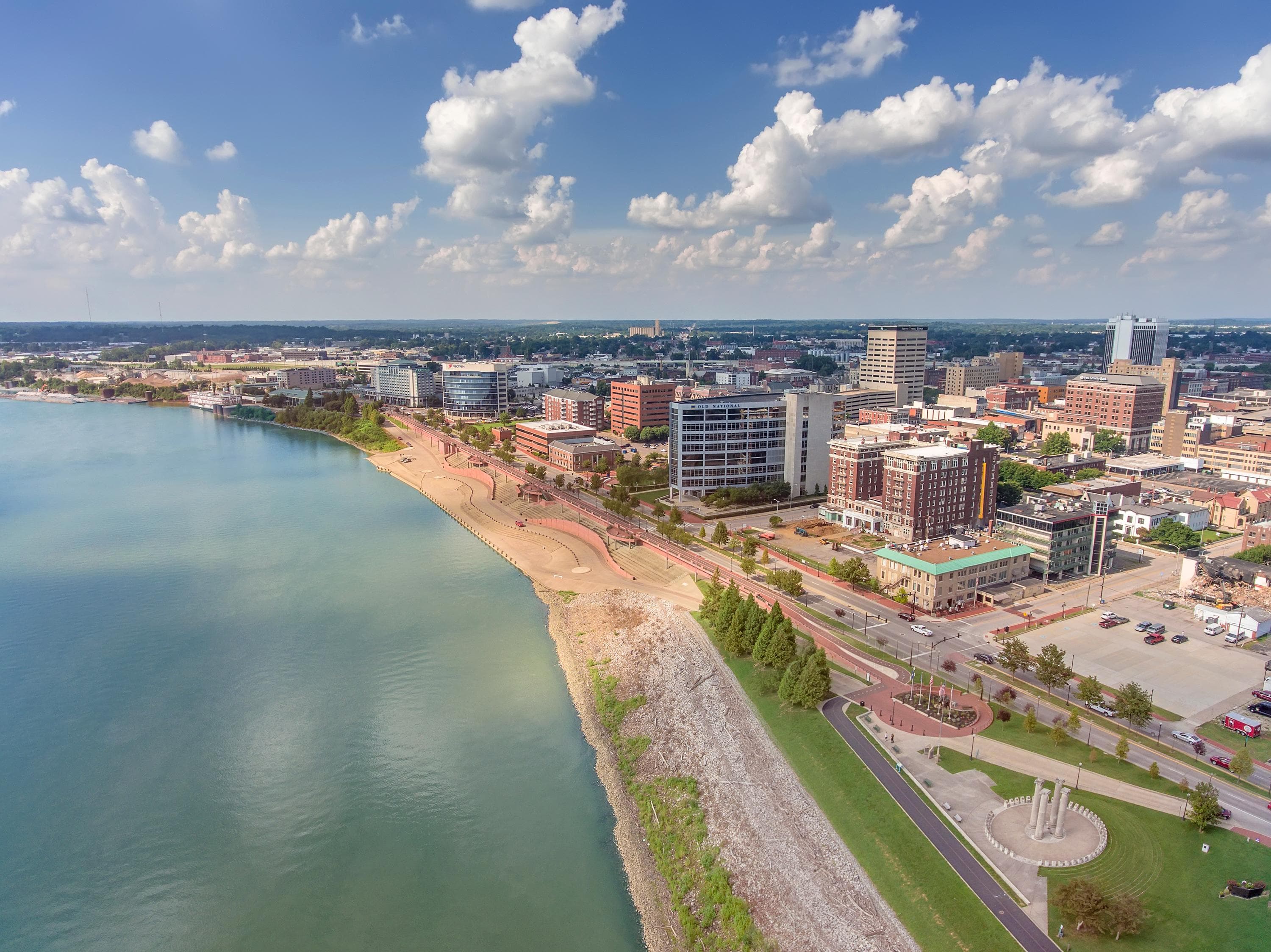
Evansville is a city shaped by work. Its economy has long been connected to manufacturing, transportation and the Ohio River, while healthcare has become one of its largest and fastest-growing employment sectors. The Evansville region also serves a population that extends beyond the city itself, bringing together people from southwestern Indiana and nearby communities in Kentucky and Illinois.
For restaurants, that means dinner is not simply about food. It is part of the rhythm of everyday life.
And that is where a place like Hokkaido Ramen House fits into the story of Evansville.
Food That Fits Into Real Life
Hokkaido Ramen House is located on North Burkhardt Road, in the city's east-side commercial area near the Eastland Mall corridor. Its location puts it in a part of Evansville where people are already moving through their daily routines—shopping, working, meeting friends, running errands and heading home.
That makes the restaurant interesting from a community perspective.
It does not have to be a destination reserved for birthdays or major celebrations. It can simply become part of a normal evening.
A bowl of ramen after work.
Sushi before heading home.
A quick meal with the family.
A casual dinner with friends.
A drink and something warm when the weather turns cold.
These moments may seem small, but neighborhood restaurants are built around exactly these kinds of routines.
A restaurant becomes familiar when people stop thinking about it as somewhere they have to “go” and start thinking of it as somewhere they naturally end up.
Evansville's Working-Day Rhythm
The character of a city is often easier to understand through its schedules than through its landmarks.
Evansville has a particularly practical economic rhythm. Healthcare is a major local employer, manufacturing remains an important part of the regional economy, and the area is also a significant warehousing and logistics center.
That creates many different versions of the same daily question.
What can I eat after my shift?
Where can we meet after work?
What can the kids eat?
Where can a group of friends sit down without turning dinner into a major event?
The answer does not have to be complicated.
For many people, a good neighborhood restaurant is simply one that can accommodate different kinds of evenings.
Hokkaido's menu reflects that flexibility, with ramen, sushi, rice dishes, noodles, appetizers and other options. But the more interesting point is not the number of dishes. It is the range of occasions they can fit into.
That distinction matters.
A restaurant can be part of a community not because everyone visits for the same reason, but because different people can find their own reason to come in.
The Value of an Ordinary Dinner
There is something easy to overlook about casual restaurants: they become part of people's memories without trying to become memorable.
A favorite meal after a long day.
The place a family chooses when nobody wants to cook.
A restaurant friends return to because they already know what they like.
A familiar table where a conversation lasts longer than expected.
These are not the stories usually used in restaurant advertising, but they are often the stories that make a local business feel established.
Hokkaido's ramen cat decorations are a small example of this kind of personality. Reviews have specifically mentioned the restaurant's playful “ramen cat” theme, giving the space a detail that customers can recognize and remember.
It is not a historical monument.
It is not a landmark.
It is simply a small detail that gives a restaurant a personality.
And local places are often remembered through details like these.
A Different Kind of Local Identity
Evansville does not have to be a major metropolitan area to have a distinct food culture.
The city has a population of more than 117,000 and functions as a regional center for a much larger surrounding area. Its position along the Ohio River helped shape its early development, while its modern economy has grown around healthcare, manufacturing, logistics and other industries.
That combination creates an interesting environment for restaurants.
People do not necessarily need another elaborate dining experience every night. They need places that can become part of their routines.
That is especially meaningful for cuisines that may be less familiar in a mid-sized American city.
For some diners, ramen may already be familiar. For others, it may be something they are still learning about. A restaurant can therefore serve two roles at once: it can provide a comfortable meal for returning customers while also introducing something new to people who are curious.
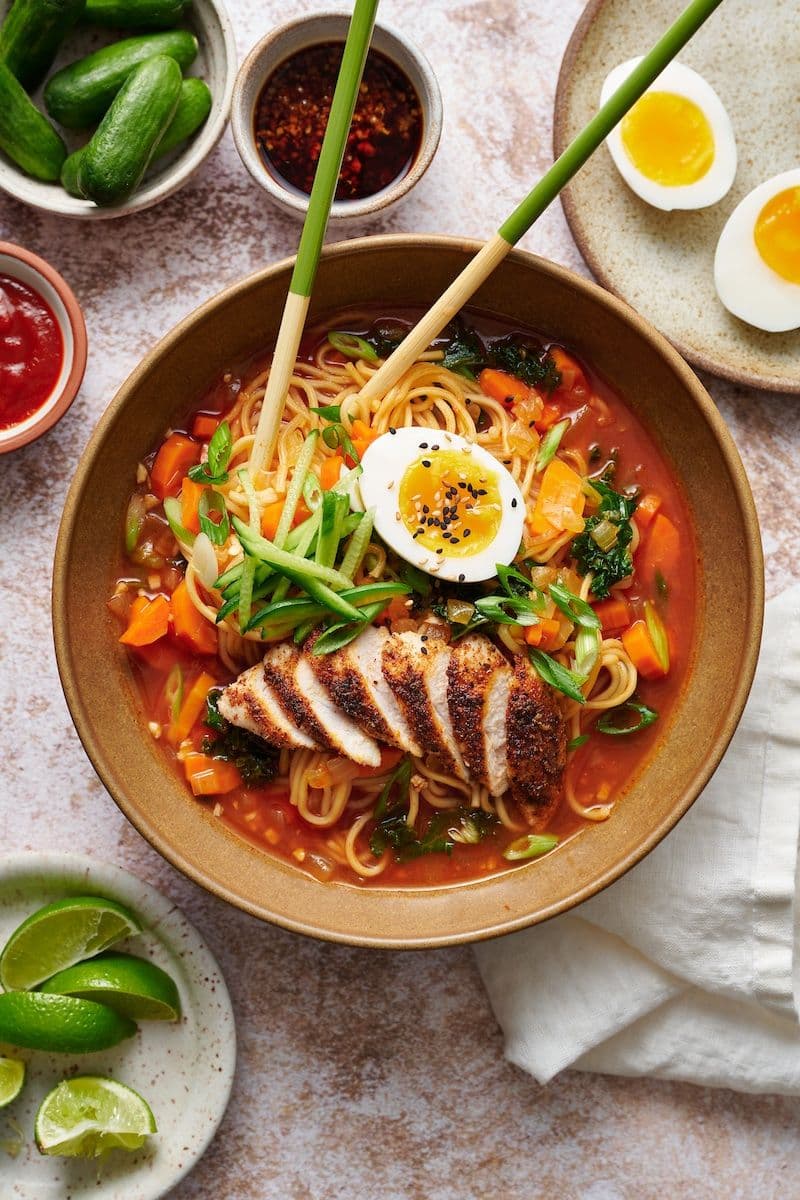
Hokkaido's menu includes several ramen styles, including tonkotsu, tantanmen, miso and shoyu-based bowls. The restaurant also offers sushi and other Japanese-inspired dishes, creating multiple entry points for different diners.
The result is not simply a restaurant selling Japanese food.
It is a place where different levels of familiarity with Japanese cuisine can coexist at the same table.
Why Neighborhood Restaurants Matter
Community is often discussed in terms of big events, local organizations and historic landmarks.
But community is also made up of repeated ordinary moments.
The same roads traveled every week.
The same places visited after work.
The same restaurants recommended to friends.
The same meals ordered again because they became part of someone's routine.
A restaurant cannot create an entire community by itself. But it can become one of the places where community life happens.
That may be the most useful way to understand Hokkaido Ramen House in Evansville.
Its story is not necessarily about being the oldest restaurant in town or having a dramatic historical origin. In fact, the available materials do not provide reliable public confirmation for the commonly listed 2015 founding year, so that claim should not be treated as established history.
Instead, its more interesting story is about being part of the present-day rhythm of Evansville.
People working.
People shopping.
People meeting.
People looking for dinner.
And people finding a familiar place to sit down at the end of an ordinary day.
That is how a restaurant becomes part of a neighborhood—not all at once, but one ordinary meal at a time.
Keep reading
Order from
Evansville, IN · Japanese · Ramen · Sushi